
Drainage Restored After Blockages Clear
Clogged Drain Repair in Farmingdale for stubborn blockages causing slow drainage, backups, and standing water
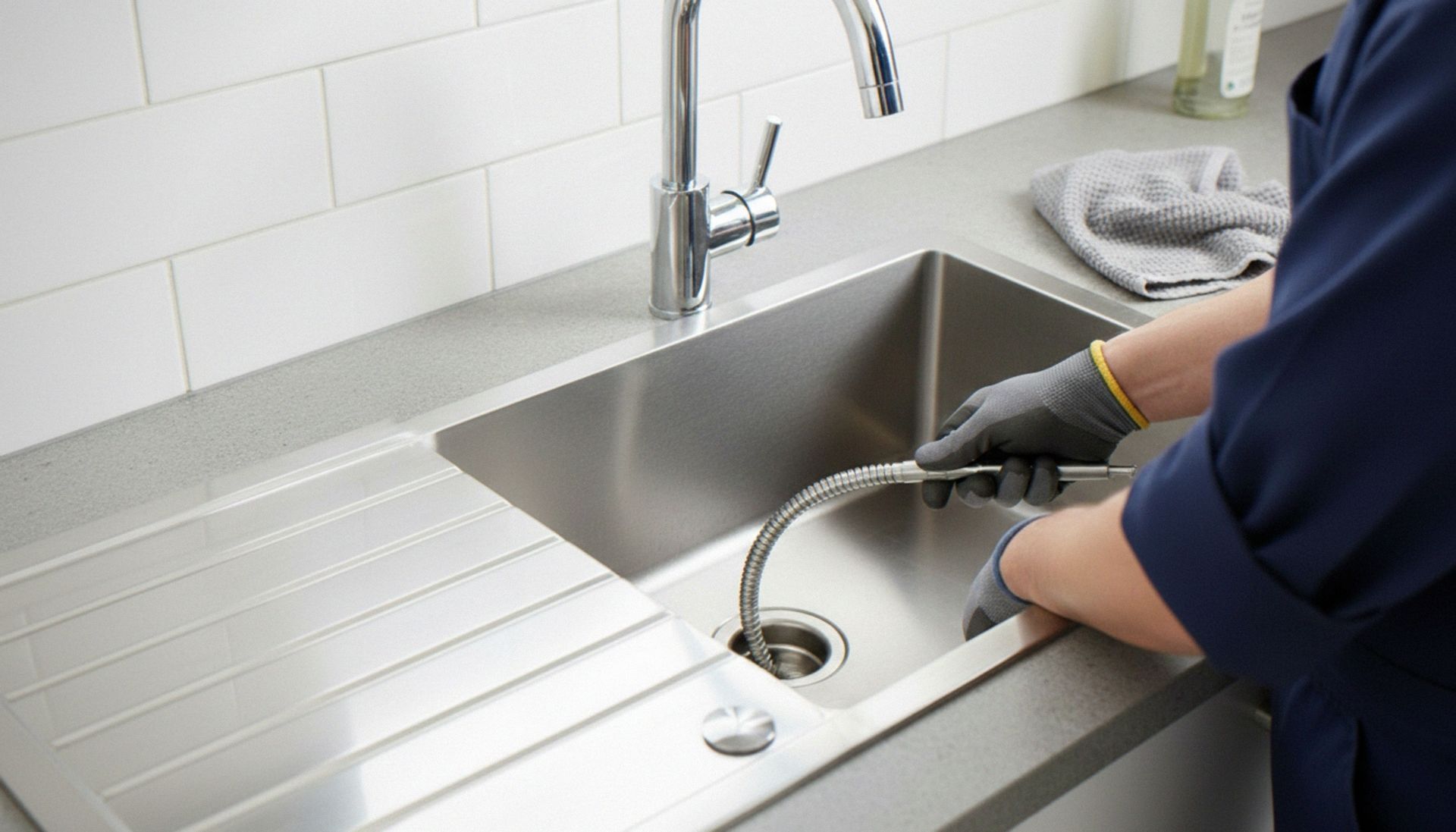
Drains clogged with compacted hair, hardened grease, or tree roots that penetrate sewer lines require more than liquid cleaners or basic plungers to restore flow. Neil Slattery Plumbing Heating and Cooling repairs clogged drains across Farmingdale and Howell Township using professional equipment that removes obstructions without damaging pipe interiors, whether the blockage sits in a bathroom sink trap or extends through the main sewer line affecting multiple fixtures. After clearing, water drains immediately instead of pooling, foul odors from trapped organic material disappear, and toilets flush with full siphon force.
Clogged drain repair begins with identifying blockage location and cause through camera inspection, which reveals whether the obstruction consists of soft buildup that hydro jetting can scour away or solid intrusions like root masses that require cutting tools to sever and extract. Kitchen drains typically clog with grease that solidifies and traps food particles, bathroom drains accumulate hair bound together by soap scum, and main sewer lines suffer from root infiltration through cracked joints in older clay or cast iron pipe.
Arrange an inspection to pinpoint the blockage source and determine whether clearing or pipe repair will prevent recurrence.
Why Blockage Type Determines Repair Method
Soft clogs composed of grease, soap residue, and organic debris respond to hydro jetting that uses high-pressure water to blast buildup off pipe walls and flush it through the system, while solid obstructions like root masses or foreign objects lodged in bends require mechanical cutting tools or extraction equipment that breaks apart or retrieves the blockage without collapsing weakened pipe sections. Camera inspection determines which approach matches the blockage type and reveals whether the underlying pipe condition contributed to the clog.
After repair, sinks and tubs drain completely within seconds rather than slowly trickling, multiple fixtures operate simultaneously without causing backups, and gurgling sounds that indicated trapped air pockets cease. The service restores normal drainage patterns and eliminates standing water that breeds odor-causing bacteria, though recurring clogs in the same location often signal pipe damage that cleaning alone cannot address.
Preventative recommendations depend on what caused the original blockage—strainers prevent hair accumulation, grease disposal practices protect kitchen lines, and periodic jetting maintains clear flow in older systems prone to buildup. If inspection uncovers cracks, root penetration points, or corroded sections, repair or replacement of damaged pipe prevents the same blockage from reforming within weeks.

Answers to Frequent Service Questions
Knowing what repair involves and when pipe replacement becomes necessary helps you make informed decisions about addressing chronic drainage problems.
- What signs indicate a clog requires professional repair rather than DIY methods? When water backs up into multiple fixtures simultaneously, plunging and chemical cleaners fail to restore flow, or foul sewage odors persist despite surface cleaning, the blockage likely sits deep in the drain line or main sewer where only professional equipment can reach and clear effectively.
- How do technicians locate clogs in hidden pipe sections? Sewer cameras inserted through cleanout access points transmit live video showing the exact location and nature of blockages, whether they consist of grease buildup narrowing the pipe, root intrusions breaking through joints, or foreign objects wedged in bends that mechanical snaking cannot dislodge.
- Why do some drains clog repeatedly even after clearing? Recurring clogs typically indicate structural issues such as bellied pipe sections where water pools and debris settles, invasive roots that regrow after cutting, or corroded pipe interiors with rough surfaces that snag hair and debris more readily than smooth modern materials.
- When should I consider hydro jetting instead of standard drain snaking? Hydro jetting becomes necessary when drains clog frequently despite routine clearing, when grease or mineral scale coats pipe walls and reduces interior diameter, or when camera inspection reveals heavy buildup that snaking pushes aside temporarily but does not remove from the system.
- What drainage issues are common in Farmingdale properties with mature landscaping? Tree roots seek moisture from sewer lines and infiltrate through small cracks in aging clay or cast iron pipe, then expand inside the line where wastewater provides nutrients, creating dense root masses that trap debris and eventually block flow completely if not cut back and the entry point sealed.
Neil Slattery Plumbing Heating and Cooling uses camera diagnostics to show you what caused the blockage and whether your drain system needs repair beyond clearing. Schedule a diagnostic inspection to determine the most effective solution for your drainage problem.