Dependable Heating Without Gas Service
Electric Water Heaters in Farmingdale for properties without natural gas access or where electric heating best matches existing utility infrastructure
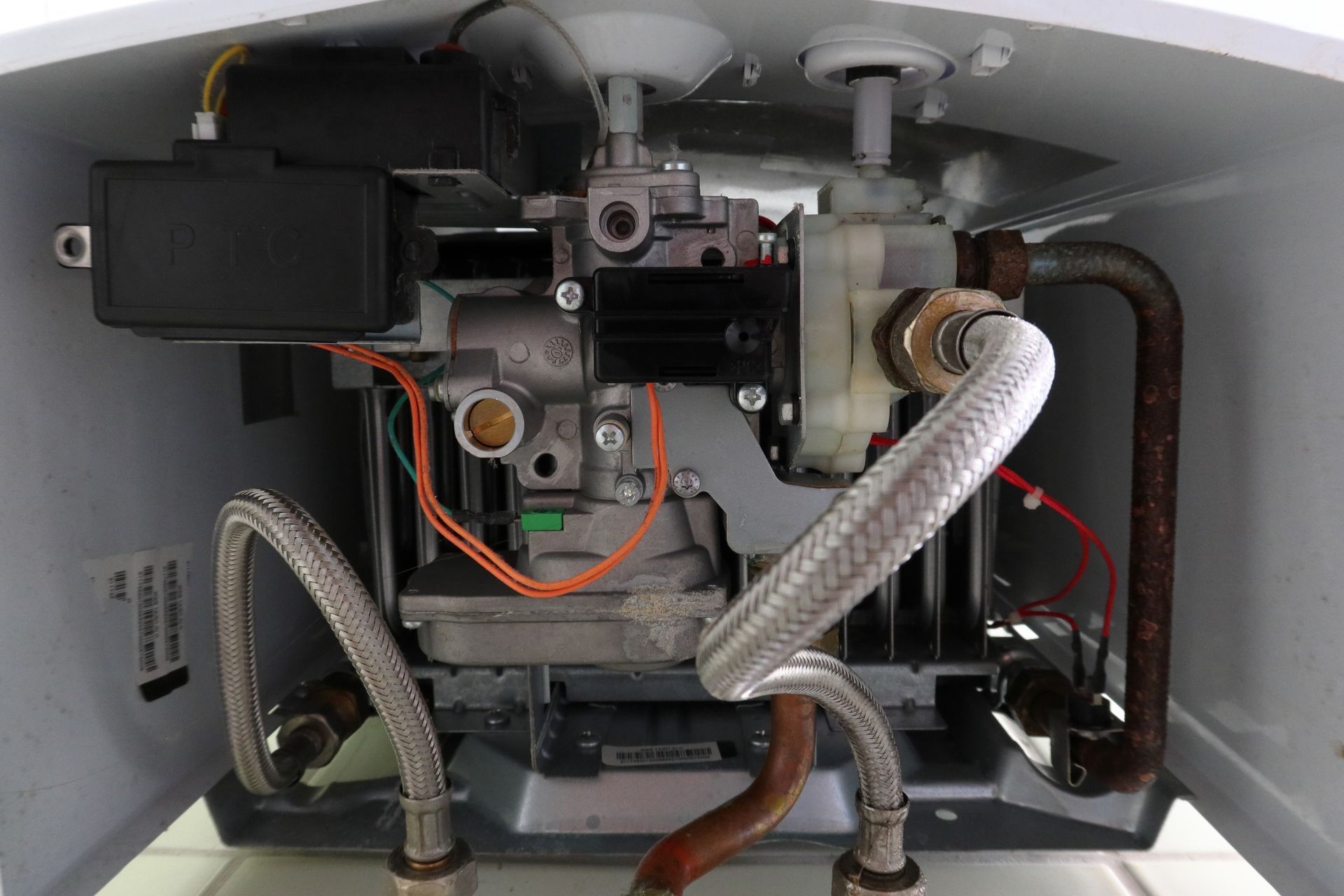
When incoming cold water never warms past tepid temperatures or hot water supply depletes much faster than normal, the problem typically traces to failed heating elements, malfunctioning thermostats, or tripped breakers cutting power to the unit. Electric water heaters use resistance heating elements—usually two in residential tanks—with separate thermostats controlling upper and lower sections to heat water efficiently without requiring gas lines, venting systems, or combustion air. Neil Slattery Plumbing Heating and Cooling tests each element for continuity, measures thermostat calibration, checks voltage at the unit, and inspects wire connections for signs of overheating or corrosion that interrupt current flow and prevent proper heating.
Element replacement requires draining the tank to below the failed component, removing the access panel and insulation, disconnecting wires, and threading the new element into the tank opening with sufficient thread sealant to prevent leaks. Upper elements typically fail first since they handle initial heating of incoming cold water, while lower element failure becomes noticeable when hot water runs out faster than usual since only the top portion of the tank reaches temperature.
Arrange a diagnostic visit when your circuit breaker trips repeatedly when the water heater runs or when water never reaches the temperature your thermostat shows.
What Changes After Electric System Repairs
Electric water heater repairs focus on restoring proper current flow through heating elements and ensuring thermostats cycle elements on and off at correct temperatures. Technicians verify that wire connections seat tightly in terminal screws, that breaker capacity matches water heater amp draw, and that the ground wire maintains proper connection since loose grounding creates shock hazards when anyone touches the tank or connected pipes.
Once repairs finish, both heating elements warm water throughout the entire tank rather than leaving cold layers near the bottom, recovery time after heavy use returns to normal, and temperature remains steady at your chosen setting without fluctuating as different elements cycle. Your electric bill should reflect normal water heater consumption rather than the elevated usage that occurs when partially failed elements run continuously trying to reach target temperature.
Sediment flushing during service calls removes mineral accumulation that coats heating elements and reduces their ability to transfer heat into surrounding water. Scale buildup acts as insulation between the element and water, forcing longer heating cycles and eventually causing elements to overheat and fail. Annual flushing substantially extends element lifespan and maintains the efficiency that keeps operating costs reasonable.

Electric Water Heater Service Concerns
Homeowners and property managers ask these questions when electric water heaters stop performing properly or require replacement.
- What causes electric water heaters to stop heating completely? Tripped circuit breakers, failed thermostats that never signal elements to turn on, burned-out heating elements, or loose wire connections that interrupt current flow all prevent the system from generating heat.
- Why does only lukewarm water come from faucets? Upper element failure limits heating to the lower portion of the tank, so you get a small amount of hot water that quickly mixes with the unheated upper section and delivers tepid results.
- How long do heating elements typically last? Element lifespan varies from three to ten years depending on water hardness, operating temperature settings, and how often sediment flushing occurs—mineral-heavy water creates scale buildup that shortens element life considerably.
- What makes electric water heaters more expensive to operate than gas? Electricity costs more per BTU than natural gas in most areas, and electric elements heat water more slowly than gas burners, though electric systems waste no energy on venting and convert nearly all consumed electricity directly to heat.
- Why do some homes need water heater capacity upgrades? Household size increases, bathroom additions, or lifestyle changes that increase simultaneous hot water demand often exceed the recovery capacity of existing water heaters, making larger tanks or high-efficiency models necessary to maintain adequate supply.
Neil Slattery Plumbing Heating and Cooling handles electric water heater repairs, component replacement, and full system installation with attention to proper electrical connections, code compliance, and sizing appropriate to your actual hot water consumption. Request service when your electric water heater underperforms or when you need professional evaluation of whether your current system still meets household needs.