
Stop Backups Before Water Spreads
Drain Cleaning in Farmingdale for slow drains, backups, and standing water throughout your property
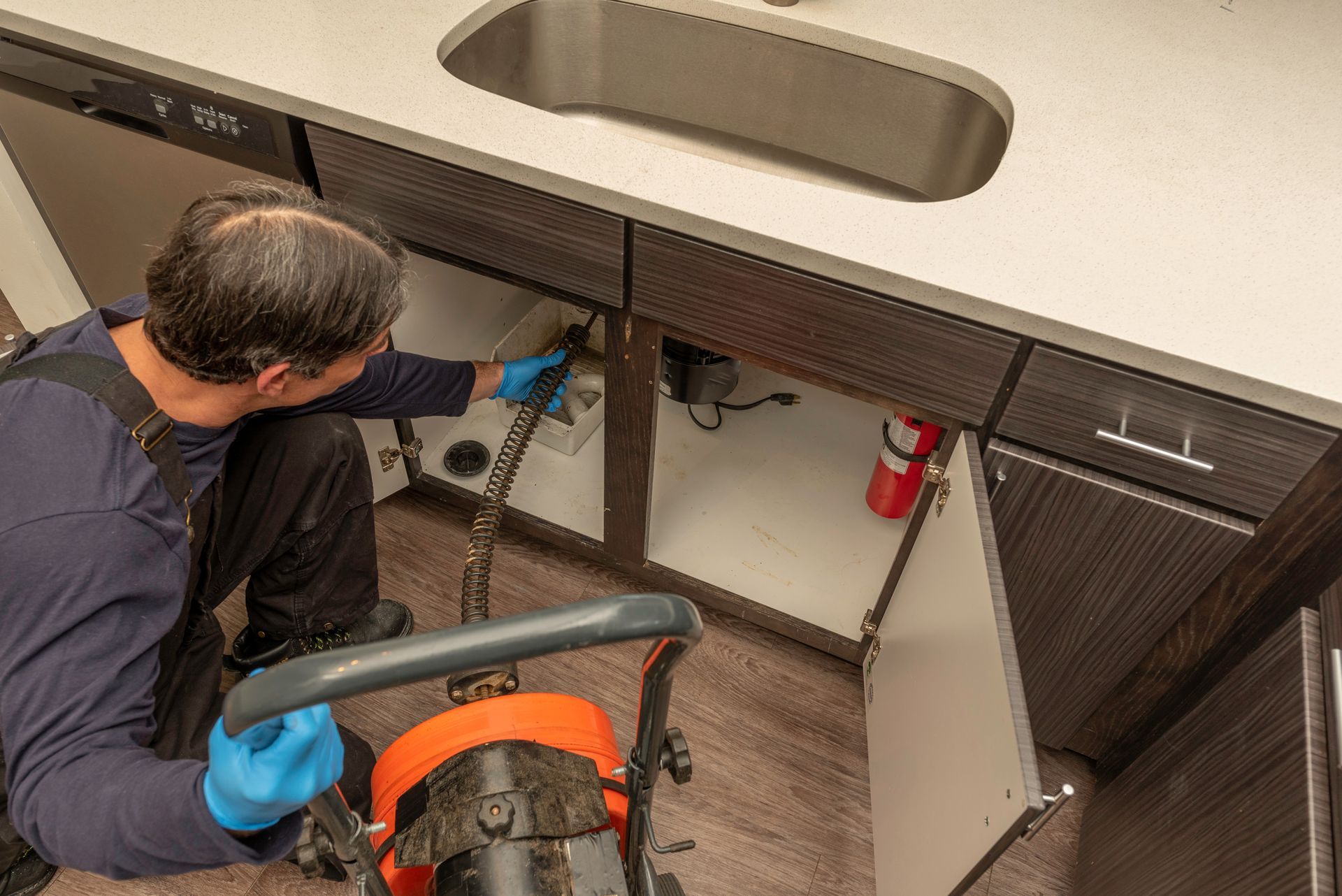
Neil Slattery Plumbing Heating and Cooling handles drain cleaning across Farmingdale and Howell Township when sinks drain slowly, toilets back up, or water pools in showers and floor drains. Professional-grade equipment removes clogs from kitchen lines choked with grease and food debris, bathroom drains packed with hair and soap buildup, and main sewer lines obstructed by tree roots or accumulated sludge. After clearing, water flows freely again, gurgling sounds stop, and foul odors caused by trapped organic material dissipate.
Drain cleaning involves inserting specialized tools through access points to break apart and extract blockages without damaging pipe walls, followed by hydro jetting when heavy grease, mineral scale, or compacted debris requires high-pressure water to restore full pipe diameter. Sewer camera inspections identify whether recurring clogs stem from bellied pipes, root intrusion points, or sections with cracked joints that collect debris, which determines whether cleaning alone resolves the issue or if pipe repair becomes necessary.
Schedule a drain inspection to locate the source of recurring clogs and determine the most effective clearing method.
What Proper Drain Clearing Requires
Effective drain cleaning starts with determining blockage location and composition, since kitchen lines typically contain grease and food particles that require different clearing methods than bathroom drains clogged with hair and soap scum, while main sewer lines affected by tree roots demand cutting tools that sever invasive growth without fracturing aging clay or cast iron pipe. Camera inspection reveals whether a clog sits just past the trap or extends deep into the lateral line, which dictates tool selection and access point.
Once cleared, drains empty completely within seconds rather than gradually, toilets flush with full siphon action instead of weak swirling, and multiple fixtures no longer cause backups when used simultaneously. Hydro jetting scours pipe interiors clean, which extends the interval before buildup accumulates again, particularly in commercial kitchens where grease coats lines daily or older homes where decades of residue have narrowed the interior diameter.
Preventative maintenance involves periodic hydro jetting before clogs form, particularly for properties with mature trees near sewer lines or businesses with high-volume grease production. If camera inspection reveals cracks, offset joints, or root-damaged sections, cleaning provides temporary relief but pipe repair or replacement prevents the same blockage from recurring within weeks.

What Property Owners Usually Ask
Understanding how drain clearing works and what to expect helps you recognize when professional equipment becomes necessary and what results indicate the underlying pipe condition.
- How does hydro jetting differ from snaking a drain? Snaking breaks through clogs to restore flow, while hydro jetting uses pressurized water streams up to 4,000 PSI to scour pipe walls clean of grease, scale, and residue that snaking leaves behind, which makes jetting more effective for preventing rapid re-clogging in heavily used drains.
- What causes drains to clog repeatedly in the same location? Recurring clogs usually indicate a structural problem such as a bellied pipe section where water pools and debris settles, invasive tree roots that regrow after clearing, or a partially collapsed line that narrows the flow path, all of which camera inspection identifies so you understand whether cleaning alone suffices or repair becomes necessary.
- When should I schedule emergency drain cleaning? Call immediately when multiple drains back up simultaneously, toilets overflow, or water rises in floor drains, since these symptoms indicate a main sewer line blockage that will worsen with continued water use and can cause sewage to enter living spaces if left unaddressed.
- Why do drains in Farmingdale and Howell Township experience root intrusion? Clay and cast iron sewer lines installed before the 1980s develop small cracks and joint separations over time, and tree roots detect moisture vapor escaping through these gaps, then infiltrate and expand inside the pipe where nutrient-rich wastewater encourages aggressive growth that eventually blocks flow.
- What maintenance reduces the need for frequent drain cleaning? Avoid pouring grease down kitchen drains, use strainers to catch hair and food particles, and flush drains monthly with hot water to keep soap and grease from hardening on pipe walls, but schedule periodic hydro jetting for older homes or properties with large trees near sewer lines.
Neil Slattery Plumbing Heating and Cooling provides camera inspections alongside clearing services to show you exactly what caused the blockage and whether your drain lines need repair. Request a drain evaluation to determine whether cleaning or pipe work will deliver lasting results.