Backups Stop When Lines Flow Properly
Sewer Line Repair in Farmingdale for broken, collapsed, or root-damaged pipes causing backups and foul odors
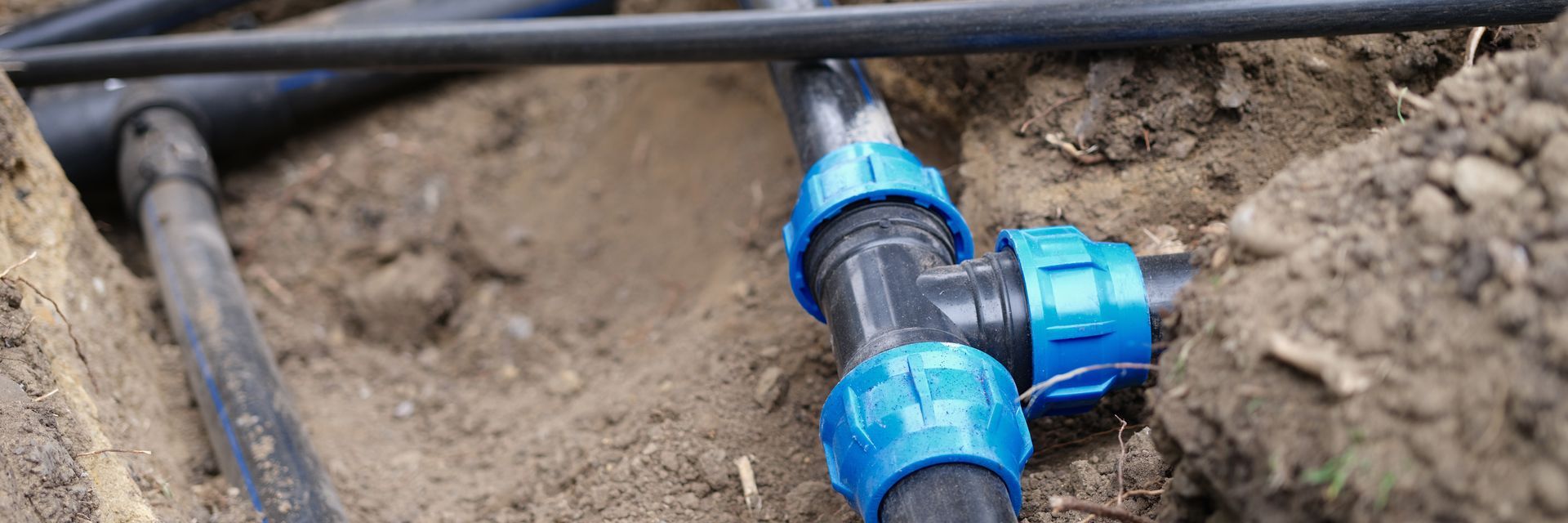
Cracked sewer pipes leak wastewater into surrounding soil, collapsed sections trap solid waste that blocks flow, and root intrusions through damaged joints create obstructions that cause sewage to back up into floor drains and basement fixtures. Sewer line repair addresses these structural failures by replacing damaged pipe sections, sealing leak points, and removing invasive roots, which restores proper drainage and prevents contaminated water from surfacing in your yard. Once repaired, toilets flush normally without gurgling, multiple fixtures drain simultaneously without slowdowns, and sewage odors from leaking joints dissipate.
Neil Slattery Plumbing Heating and Cooling begins sewer line repair across Farmingdale and Howell Township with camera inspections that pinpoint crack locations, measure the extent of root penetration, and assess whether corrosion has thinned pipe walls to the point of imminent collapse. Clay and cast iron lines installed decades ago develop brittle joints that separate as soil shifts, while root systems from mature trees exploit these weak points to access moisture and nutrients inside the pipe.
Request a sewer camera inspection to identify damaged pipe sections and determine whether targeted repair or full line replacement will prevent future failures.
How Sewer Repair Addresses Structural Failures
Sewer repair involves excavating access points to expose damaged sections, cutting out cracked or collapsed pipe, and installing replacement segments that match the existing line diameter and slope requirements for proper gravity flow. Trenchless repair methods insert resin-saturated liners through existing pipes to seal cracks and root entry points without full excavation, though this approach works only when the original pipe retains structural integrity and has not collapsed completely.
After repair, wastewater flows unobstructed from your home to the municipal main or septic system, multiple drains operate without causing backups elsewhere, and wet spots or foul odors in your yard caused by leaking joints disappear. Testing the repaired line with dye or water flow confirms that seals hold and slope remains adequate for solid waste transport, which prevents future clogs from forming in low spots where debris would otherwise settle.
Repair extends sewer line service life when damage remains localized to specific joints or short pipe sections, but widespread corrosion, multiple breaks along the line, or severe root intrusion throughout the system often makes full replacement more cost-effective than repeated spot repairs. Camera footage showing interior pipe condition helps you weigh immediate repair costs against the likelihood of additional failures within the next few years.

Common Questions About This Service
Understanding what causes sewer line failure and how repair differs from replacement helps you evaluate options when camera inspection reveals damage.
- What symptoms indicate sewer line damage rather than simple clogs? When backups occur in the lowest drains first, when flushing toilets causes water to rise in shower drains, or when wet spots and sewage odors appear in your yard near the sewer line path, the problem typically involves cracked or collapsed pipe rather than a blockage that clearing alone can fix.
- How do tree roots damage sewer lines? Roots detect moisture vapor escaping through hairline cracks in clay or cast iron pipe joints, then infiltrate these small gaps and expand inside the line where wastewater provides nutrients, eventually creating dense masses that block flow and can split pipe sections apart as root diameter increases.
- What repair options exist besides full excavation? Trenchless pipe lining inserts epoxy-coated sleeves through existing lines to seal cracks and create a smooth interior surface, while pipe bursting replaces old lines by pulling new pipe through while fragmenting the damaged original, both of which minimize digging but require that the existing pipe route and slope remain adequate.
- Why do sewer lines in Farmingdale and Howell Township commonly need repair? Many properties in Monmouth and Northern Ocean County have clay or cast iron sewer lines installed before the 1980s that have reached the end of their service life, and soil movement from freeze-thaw cycles combined with mature tree root systems accelerates joint separation and crack formation in these aging materials.
- When should I replace the entire sewer line instead of repairing sections? If camera inspection reveals multiple breaks, widespread corrosion, or root intrusion throughout the line rather than isolated damage, replacement avoids the cost of repeated repairs as additional sections fail within the next few years and provides upgraded materials that resist root penetration and corrosion.
Neil Slattery Plumbing Heating and Cooling provides camera documentation of sewer line condition so you can see the extent of damage and make an informed decision about repair versus replacement. Schedule a sewer inspection to assess your system and receive honest recommendations based on what the camera reveals.