
When Repairs No Longer Make Sense
Water Heater Replacement in Farmingdale for systems that leak from rust damage, fail repeatedly, or consume excessive energy
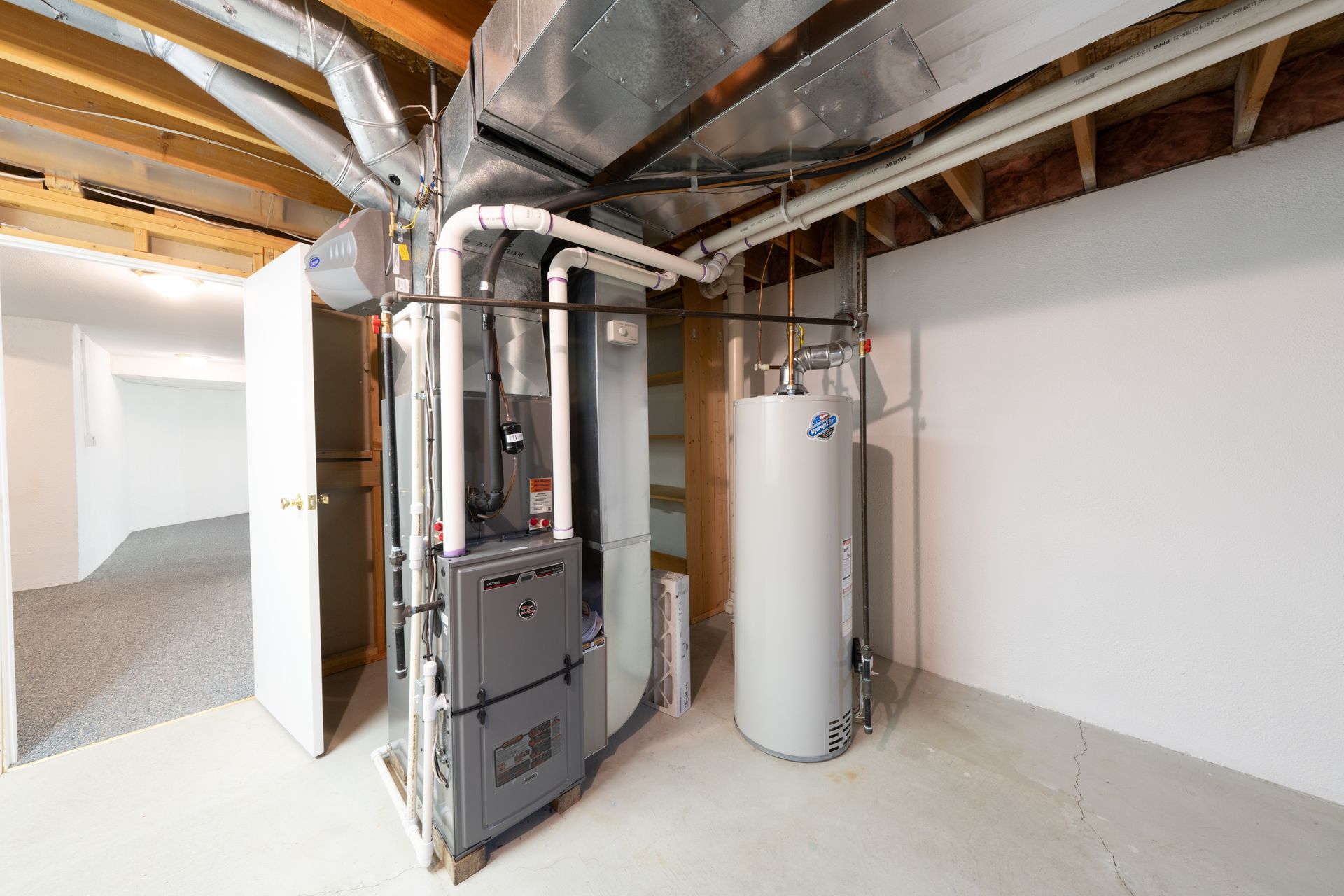
A water heater that's leaked onto the floor, developed visible rust on the tank exterior, or required multiple repair calls within a year signals that replacement will prove more cost-effective than continued component repairs. Neil Slattery Plumbing Heating and Cooling removes old equipment and installs high-efficiency gas, electric, or tankless systems sized appropriately for your household's actual hot water consumption patterns. The replacement process includes safe disconnection of gas lines or electrical circuits, proper disposal of the failed unit, and installation that meets current plumbing and safety codes including expansion tank requirements and pressure relief valve specifications.
Technicians help property owners evaluate whether a traditional tank system, a high-efficiency tank model, or a tankless conversion best matches their budget, available installation space, and daily hot water usage. Homes with multiple bathrooms and simultaneous morning showers typically require larger capacity tanks or appropriately sized tankless units, while smaller households often benefit from compact high-efficiency models that reduce standby heat loss.
Request a replacement estimate that includes equipment specifications, installation requirements, and projected energy savings based on your current system's inefficiency.
How New Systems Change Daily Function
Installation begins with removing the old water heater and inspecting existing connections, venting systems, and electrical circuits or gas lines to identify any code compliance issues that need correction during the replacement process. Technicians upgrade components like shut-off valves, expansion tanks, and connection hardware when original equipment has corroded or when code requirements have changed since the previous installation.
After replacement completes, your morning showers stay hot without temperature fluctuations, multiple fixtures can draw hot water simultaneously without depleting supply, and monthly utility costs drop as modern insulation and burner efficiency eliminate the energy waste built into older designs. Testing includes verification of proper gas combustion and venting for gas models, confirmation of electrical connections and grounding for electric systems, and pressure relief valve operation checks across all installations.
Tankless conversions require evaluation of gas line capacity or electrical service amperage since on-demand systems draw higher peak loads than tank models, even though overall energy consumption decreases substantially. Installation may include gas line upsizing or electrical panel upgrades when existing infrastructure cannot support the new system's demand characteristics.

Common Replacement Questions
Property owners throughout Monmouth and Northern Ocean County ask these questions when considering water heater replacement rather than continued repairs.
- How do you determine the right water heater size for a household? Technicians calculate based on the number of bathrooms, typical simultaneous usage patterns, and peak demand periods—a family of four with two bathrooms generally needs a 50-gallon tank or a tankless unit rated for three simultaneous fixtures.
- What makes modern water heaters more efficient than older models? Current designs use thicker insulation to reduce standby heat loss, electronic ignition systems that eliminate constantly burning pilot lights, and improved heat exchanger designs that transfer more energy from the flame or element directly into the water.
- Why do some replacements require expansion tank installation? Current plumbing codes in many areas mandate expansion tanks on closed water systems to accommodate the volume increase that occurs when cold water heats up, preventing pressure buildup that can damage fixtures and connections.
- How quickly can a replacement restore hot water service? Most residential water heater replacements complete within four to six hours including removal of the old unit, installation of the new system, and thorough testing of all connections and safety devices.
- What disposal process applies to the old water heater? Tanks are drained completely, disconnected from all utility services, and transported for metal recycling since the steel tank and copper connections contain valuable recyclable materials.
Neil Slattery Plumbing Heating and Cooling provides upfront pricing that includes equipment, installation labor, necessary code compliance upgrades, and disposal of your existing water heater. Schedule a replacement consultation when your current system shows signs of failure or when energy bills indicate efficiency has deteriorated beyond economical operation.