
New Lines End Chronic Backup Problems
Sewer Line Replacement in Farmingdale for severely damaged, collapsed, or corroded pipes affecting drainage throughout your property
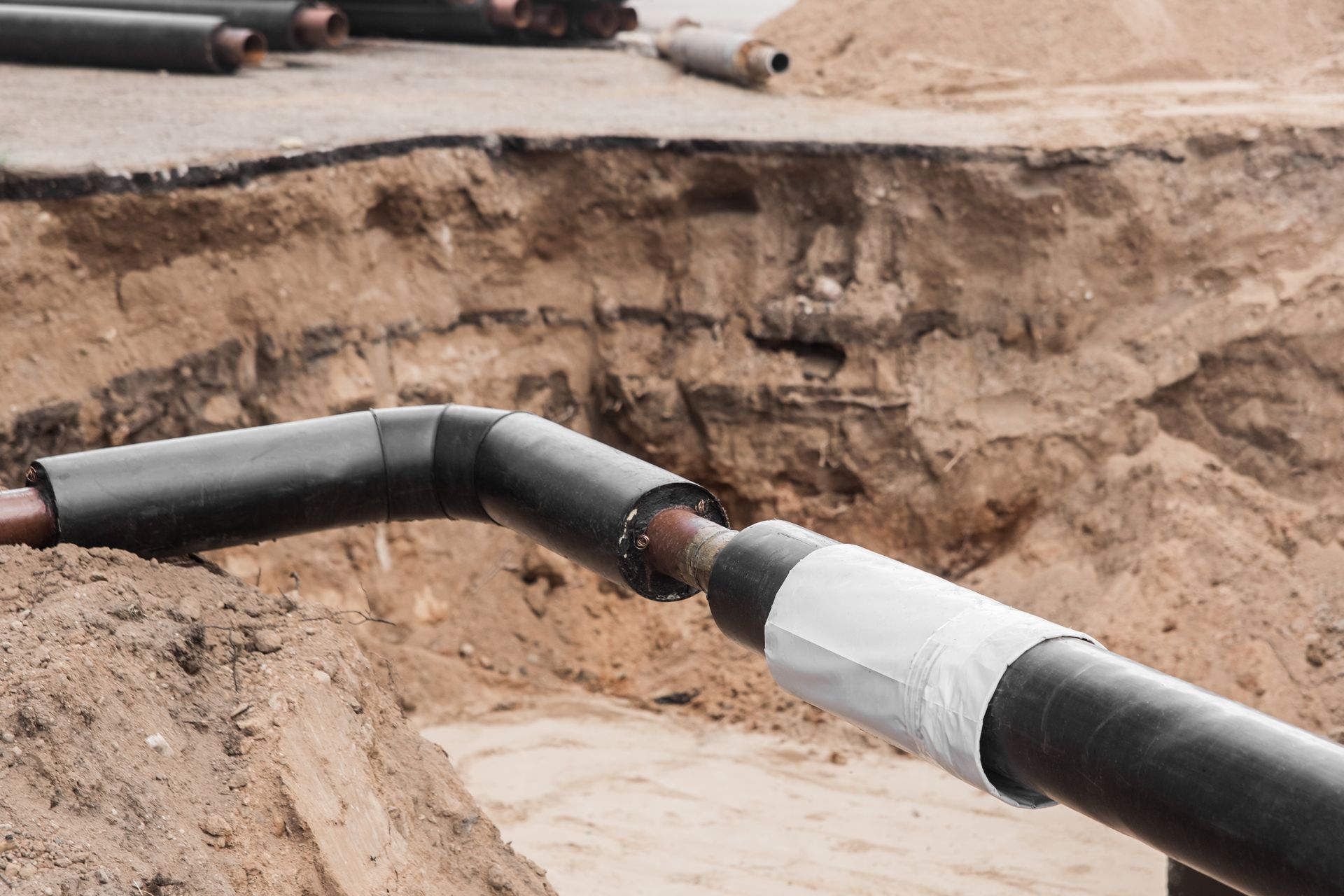
Sewer lines develop cracks that leak wastewater into surrounding soil, corrode until pipe walls collapse and trap solid waste, or become so thoroughly infiltrated by tree roots that repeated clearing provides only temporary relief before backups recur. When camera inspection reveals widespread damage rather than isolated breaks, full sewer line replacement installs new pipe from your home's foundation to the municipal connection or septic tank, which eliminates structural failures causing chronic drainage problems. Replacement uses modern PVC or HDPE materials with sealed joints that resist root intrusion and corrosion, which extends service life decades beyond aging clay or cast iron lines.
Neil Slattery Plumbing Heating and Cooling handles sewer line replacement across Farmingdale and Howell Township when repair costs approach replacement expense or when multiple breaks along the line indicate the entire system has reached failure age. Camera footage showing interior pipe condition reveals whether corrosion has thinned walls throughout, whether joints have separated in multiple locations, or whether root masses have penetrated so extensively that cutting them back will not prevent rapid regrowth through the same entry points.
Schedule a sewer camera assessment to determine whether targeted repair or complete line replacement provides the most cost-effective long-term solution.
What Changes After Sewer Line Replacement Completes
Replacement involves excavating a trench along the sewer line route or using trenchless methods that pull new pipe through while breaking apart the old line, then connecting the new system to your home's drain stack and the municipal main or septic inlet with properly sealed joints that prevent leaks and root entry. Trenchless replacement minimizes disruption to driveways and landscaping but requires adequate space for equipment and works only when the existing line route and depth meet current code requirements for slope and clearance.
Once replacement finishes, all drains throughout your property empty rapidly without backups, toilets flush with full siphon action, and sewage odors or wet spots in your yard caused by leaking joints disappear permanently. New pipe materials provide smooth interior surfaces that resist buildup and maintain full diameter for decades, which eliminates the recurring clogs and slow drainage that plagued the deteriorated original line.
Testing the new installation involves running water through all fixtures simultaneously to verify capacity, conducting pressure or dye tests to confirm joints remain sealed, and reviewing camera footage of the completed line to document proper slope and connection integrity. Properties with mature trees near the new line route benefit from root barriers installed during replacement to deflect growth away from pipes, which prevents the intrusion problems that destroyed the original system.

Questions Before Starting Your Project
Knowing what replacement involves and how different installation methods affect your property helps you prepare for the project and understand what results to expect.
- What determines whether trenchless replacement is possible for my property? Trenchless methods require adequate access space for equipment at both ends of the line, existing pipe that has not collapsed completely, and a route that meets current code requirements for depth and slope, since the new pipe follows the same path as the original without opportunity to correct elevation or clearance issues.
- How does sewer line replacement affect landscaping and hardscaping? Traditional excavation creates a trench approximately two feet wide along the entire line route, which requires removal and restoration of grass, plantings, or pavement above the pipe path, while trenchless methods limit digging to access pits at each end but cost more and work only when site conditions allow.
- What pipe materials are used for modern sewer line replacement? PVC and HDPE plastic pipes have replaced clay and cast iron because they resist corrosion, feature sealed joints that prevent root intrusion, weigh less and install faster than metal or ceramic materials, and maintain smooth interiors that discourage buildup accumulation over decades of service.
- Why do older sewer lines in Farmingdale and Howell Township commonly need replacement? Clay and cast iron lines installed before the 1980s have reached or exceeded their typical service life, and soil movement from freeze-thaw cycles combined with root systems from mature trees accelerates joint separation and crack formation, which eventually produces multiple failure points that make spot repairs ineffective.
- What preventative measures protect the new sewer line from future damage? Root barriers installed alongside the pipe deflect invasive growth away from joints, proper backfill compaction prevents settling that can create low spots where waste accumulates, and avoiding dumping grease or flushing non-biodegradable items protects the line from clogs that stress joints and connections.
Neil Slattery Plumbing Heating and Cooling coordinates sewer line replacement from initial camera assessment through final testing and restoration, with clear communication about excavation requirements and timeline. Request a replacement evaluation to review camera footage of your current line condition and discuss installation options that minimize property disruption.