
Concrete Hides Leaks Until Foundations Weaken
Slab Leak Repair in Farmingdale for Foundation Moisture and Rising Water Bills
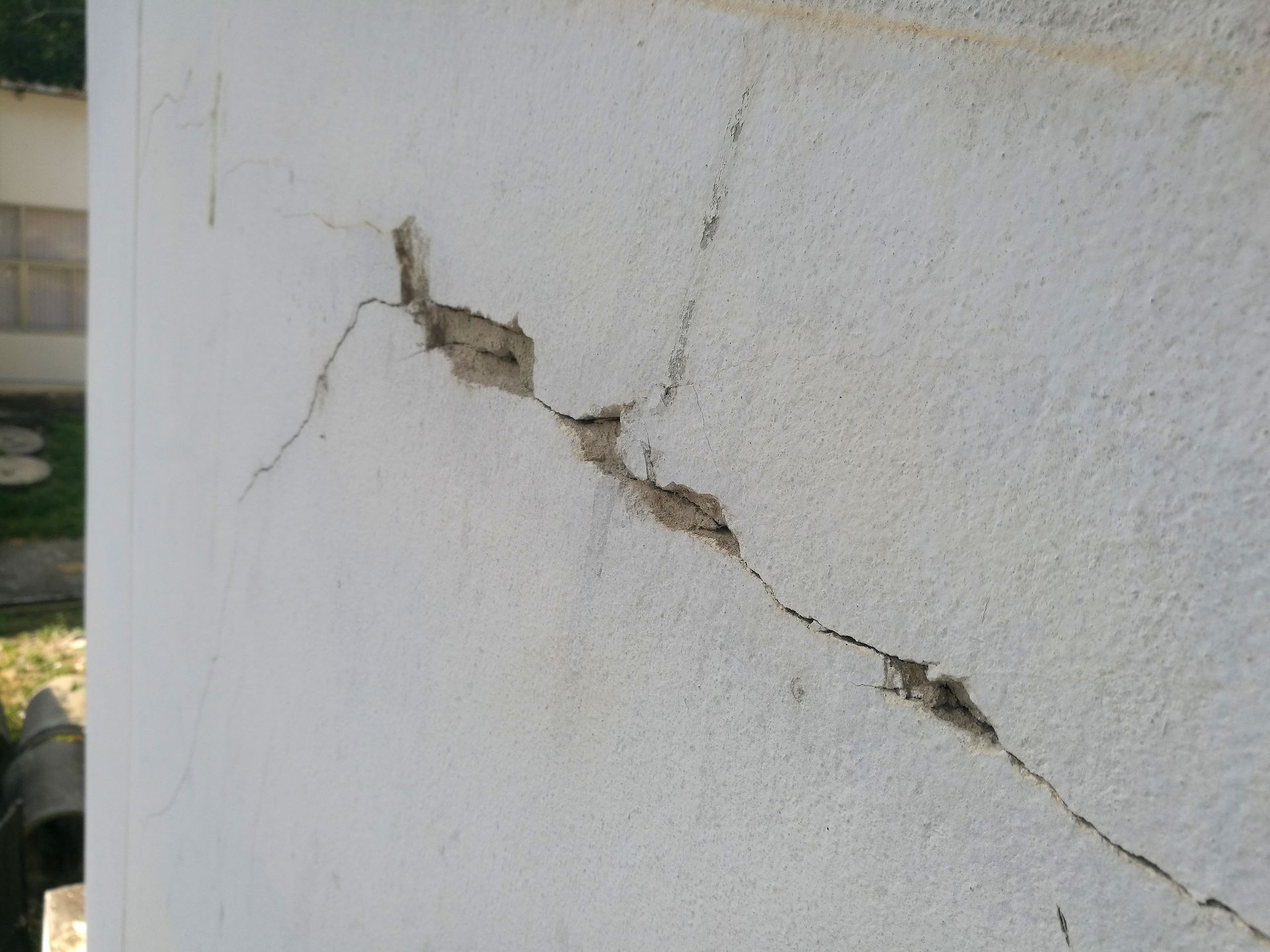
Pipes beneath concrete slabs crack where foundations settle or where dissimilar metals corrode at connection points, and by the time warm floors or damp carpeting become noticeable, water has already saturated soil and compromised structural support. Neil Slattery Plumbing Heating and Cooling repairs slab leaks in Farmingdale using detection equipment that locates failing pipes without exploratory concrete removal. Properties with unexplained moisture problems, water pooling near foundation edges, or water bills that climb steadily despite normal usage require inspection to determine whether supply lines beneath slabs are leaking into the ground.
Slab leak repair involves pinpointing the damaged pipe section using acoustic and infrared detection, then accessing the line through minimal concrete removal or rerouting piping above the slab when direct repair would compromise floor integrity. This addresses the problem of water escaping pressurized lines into soil, which creates voids that allow foundations to shift and flooring to crack as saturation undermines support.
Arrange an inspection to evaluate foundation moisture and determine whether slab leaks are affecting your property.
Why Slab Leaks Require Specialized Repair Methods
Repair begins with pressure testing to confirm water loss beneath the slab, followed by detection scanning that identifies the exact location where pipes have cracked, corroded, or separated. Northern Ocean County's freeze-thaw cycles and soil movement place stress on rigid piping embedded in concrete, particularly at bends and joints where copper fatigues over decades of expansion and contraction. Detection equipment marks these failure points so concrete cutting targets only the damaged section rather than exposing entire pipe runs.
After repair, water stops saturating soil beneath foundations, moisture no longer migrates through concrete into flooring, and water pressure stabilizes as the system holds full line pressure without loss. Floors stop feeling warm where hot water was escaping, mold growth halts in areas where humidity was elevated, and water bills drop to match actual household usage instead of including hundreds of gallons leaked underground daily.
Repair options include direct pipe replacement through slab access or rerouting lines through walls and attics when pipes have corroded extensively or when multiple sections show deterioration. Technicians recommend rerouting when accessibility issues would require removing large sections of flooring or when aging pipe material suggests additional failures are imminent. Code-compliant methods protect foundations from further water intrusion and prevent the structural settling that occurs when saturated soil loses load-bearing capacity.

What Homeowners Need to Know About Slab Leaks
Slab leak situations often develop gradually, and understanding warning signs helps property owners in Farmingdale address problems before extensive foundation or flooring damage occurs.
- What causes pipes beneath concrete slabs to fail after years without problems? Copper pipes embedded in concrete experience galvanic corrosion when dissimilar metals contact each other, abrasion where pipes rub against rough concrete during thermal expansion, and stress fractures where foundations settle unevenly, with most slab leaks developing after 20 to 40 years of service.
- How do technicians locate slab leaks without breaking concrete throughout the home? Detection equipment listens for the specific frequency of water escaping pressurized pipes and measures temperature differentials where leaked water changes concrete temperature, allowing precise marking of leak locations before any cutting begins.
- Why do some slab leaks require pipe rerouting instead of direct repair? When pipes have corroded extensively, when multiple leaks exist in proximity, or when concrete cutting would compromise structural reinforcement or flooring integrity, rerouting supply lines through accessible spaces prevents repeated slab intrusion and provides access for future maintenance.
- When should slab leak repair happen instead of monitoring the situation? Repair should occur immediately when warm floors, damp carpeting, or water bills indicate active leaks, because continued water intrusion erodes soil support beneath foundations, creates conditions for mold growth, and wastes thousands of gallons monthly while undermining structural stability.
- What changes after slab leak repair is completed? Water meters stop running when all fixtures are off, indicating the system holds pressure without loss, floors return to normal temperature, moisture problems resolve as soil dries and concrete stops wicking water upward, and monthly water costs drop substantially as leakage stops.
Neil Slattery Plumbing Heating and Cooling provides slab leak detection and repair throughout Monmouth County using methods that protect foundations and minimize disruption to flooring and interior spaces. Request an evaluation if you notice signs of hidden water loss beneath your property.