
Treatment That Stops Mineral Accumulation
Hard Water Solutions in Farmingdale for homes with scale buildup on fixtures, reduced appliance efficiency, or poor soap performance
White crust forming around faucet bases, soap that refuses to lather properly, and water heaters that fail years before their expected lifespan all point to high mineral content in the supply. Hard water carries dissolved calcium and magnesium that precipitate out when water is heated or evaporates, leaving scale deposits inside pipes, on fixture surfaces, and within appliance heating chambers. Neil Slattery Plumbing Heating and Cooling evaluates water hardness through testing and installs treatment systems in Farmingdale that remove these minerals before they circulate through household plumbing and cause progressive damage to components that rely on unobstructed water flow.
Water softeners use ion exchange resin beds that trade sodium or potassium ions for calcium and magnesium ions as hard water flows through the tank, and the system periodically regenerates the resin by flushing it with brine solution that strips away accumulated minerals and restores the resin's exchange capacity. The softener is installed on the main supply line after the pressure regulator, treating all water before it reaches water heaters, dishwashers, washing machines, and plumbing fixtures.
Request a water hardness test to determine the grain-per-gallon concentration and identify which softener capacity matches your household's daily water usage.
How Softened Water Protects Plumbing and Appliances
Once the water softener begins operating, the ion exchange process removes calcium and magnesium before they can form scale inside water heater tanks, on heating elements, or within valve seats and aerator screens. The resin bed is sized to treat a specific volume of water before it exhausts its exchange capacity and requires regeneration, and a control valve automates the regeneration cycle based on water usage or a timed schedule.
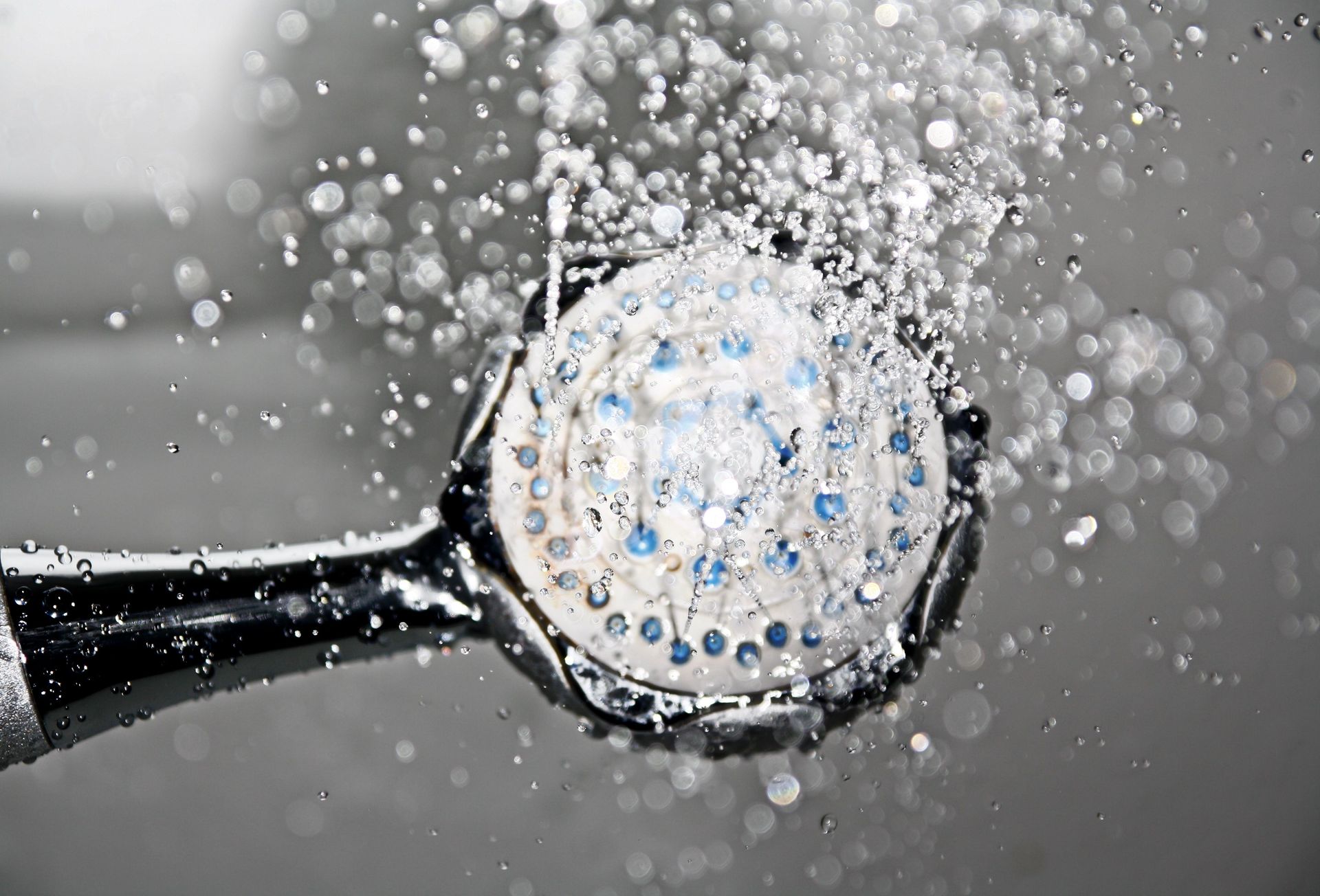
Showerheads stay clear without mineral crust blocking spray holes, and glass shower doors no longer develop the cloudy film that resists cleaning because the minerals causing the deposit have been removed upstream. Dishwashers produce spotless glassware without the white haze left by hard water evaporation, and washing machines use less detergent because soap dissolves and rinses completely in softened water instead of bonding with minerals to form sticky residue. Water heaters maintain their efficiency because heating elements remain free of insulating scale that forces them to work harder and consume more energy to reach target temperatures.
The softener requires periodic salt or potassium chloride replenishment to produce the brine solution used during regeneration, and the resin bed eventually degrades and needs replacement after years of continuous cycling. Monitoring salt levels in the brine tank and checking for salt bridging—where a hardened crust forms above the water line—prevents regeneration failures that allow hard water to bypass the system untreated.

Answers to Frequent Service Questions
Properties in Farmingdale often draw from wells or municipal sources with hardness levels exceeding 10 grains per gallon, which is the threshold where scale formation accelerates and appliance damage becomes a recurring maintenance issue.
- How does a water softener change the feel of water during bathing? Softened water allows soap to lather easily and rinse away completely, creating a slick sensation on skin because there are no mineral ions left to react with soap and form the sticky film that makes hard water feel like it leaves residue even after rinsing.
- What happens if the softener runs out of salt during operation? When the brine tank empties, the resin bed cannot regenerate and continues passing hard water through the system untreated until salt is replenished and a manual regeneration cycle is initiated to restore the resin's exchange capacity.
- Can water softeners remove iron along with calcium and magnesium? Ion exchange resin removes small amounts of dissolved ferrous iron, but concentrations above 0.3 parts per million cause the resin to foul with iron deposits that reduce its effectiveness and require specialized cleaning chemicals or a dedicated iron filter installed before the softener.
- How is the softener sized to match household water demand? Softener capacity is calculated by multiplying daily water usage in gallons by water hardness in grains per gallon, then selecting a resin tank size that can treat several days of demand before requiring regeneration to avoid excessive cycling that wastes salt and water.
- Why does softened water taste different from hard water? The sodium or potassium ions exchanged for calcium and magnesium produce a slightly different taste profile, and many homeowners install a bypass line to the kitchen cold tap or use a reverse osmosis system for drinking water if they prefer the mineral taste of untreated water.
Neil Slattery Plumbing Heating and Cooling installs water softening systems matched to your home's hardness level and daily usage patterns, with all plumbing connections completed to ensure proper regeneration cycles and consistent soft water delivery to every fixture and appliance. Schedule a hard water evaluation to review treatment options and receive an installation estimate based on your specific water quality conditions.