
Faucets That Operate Without Dripping
Faucet repair and replacement in Farmingdale for dripping spouts, low water pressure, and handles that bind or spin freely
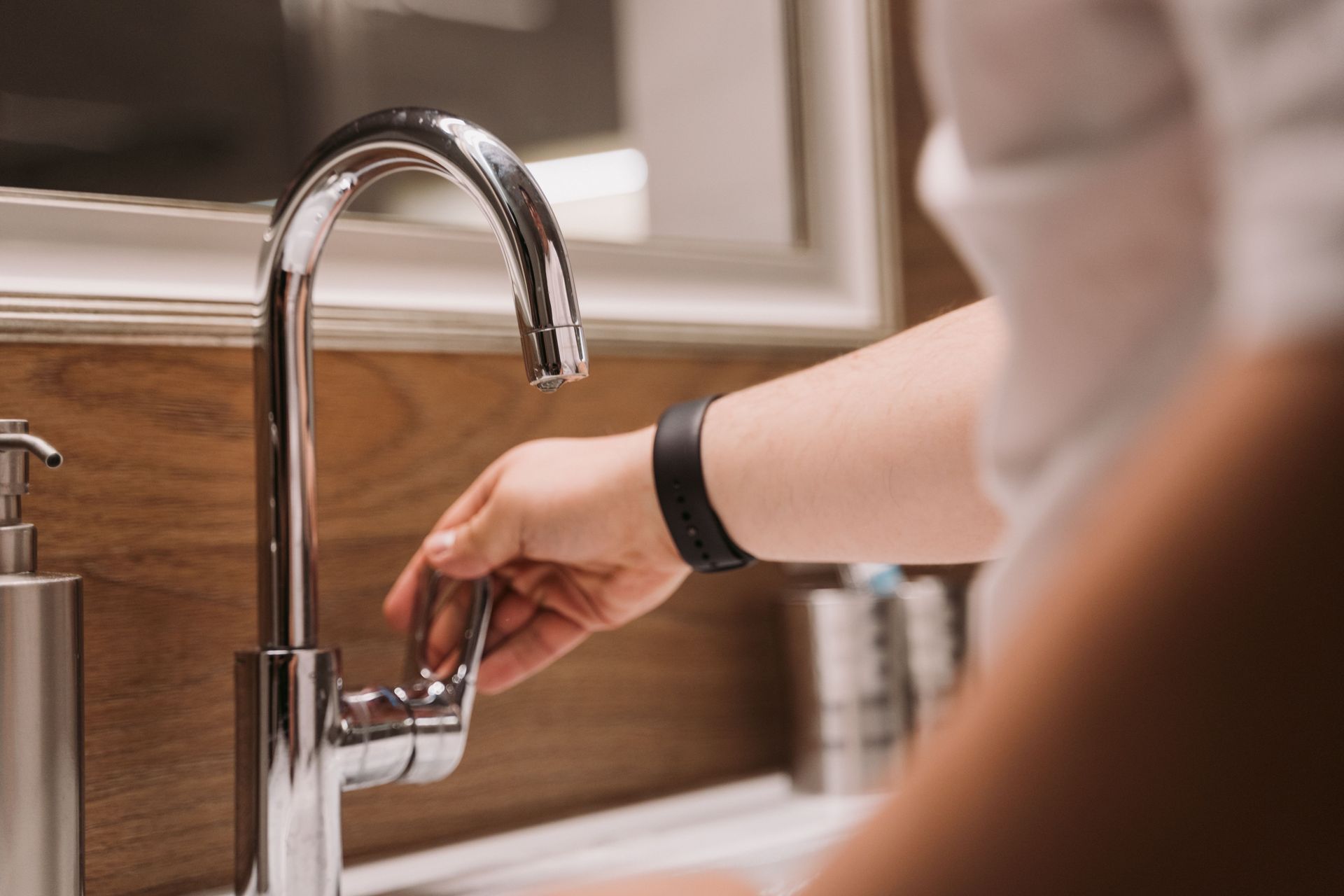
A faucet that drips after you shut off the handles wastes several gallons daily and leaves mineral stains on sink surfaces. Corroded cartridges and worn rubber seals inside the faucet body prevent the valve from closing completely, which allows water to continue flowing even when the handle reaches the off position. Neil Slattery Plumbing Heating and Cooling repairs leaking faucets by replacing internal components that have degraded from constant water exposure and replaces fixtures where corrosion has spread beyond serviceable parts.
Faucet repair involves disassembling the handle and bonnet to access the cartridge or compression stem, then installing new seals that restore a watertight shutoff. Low water pressure at a single faucet typically results from aerator screens clogged with sediment or from partially closed supply valves beneath the sink. Howell Township's water supply contains minerals that accumulate inside aerators and reduce flow over time, requiring periodic cleaning or replacement to maintain pressure.
Request a detailed evaluation to determine whether worn components can be replaced or the entire fixture requires updating.
How Faucet Service Addresses Common Failures
Repairing a dripping faucet begins with identifying whether the fixture uses a cartridge, ceramic disc, compression, or ball valve assembly, since each design requires specific replacement parts. Cartridge faucets develop leaks when the rubber seals inside the cartridge crack, while ceramic disc models fail when sediment scratches the disc surfaces and prevents them from sealing. Replacing the cartridge or disc assembly stops the drip and restores full water flow control.
Once the repair is complete, you turn the handle to the off position and see no water dripping from the spout, the aerator delivers consistent pressure without sputtering, and the handle moves smoothly without excessive force. Replacing a corroded faucet eliminates rust stains on the sink and provides updated finishes that match current bathroom or kitchen designs, while water-efficient models reduce flow rates without noticeably affecting performance during daily use.
Installation includes connecting supply lines to shut-off valves with braided stainless steel hoses that resist kinking and corrosion better than older copper or plastic tubes. The faucet mounts securely to the sink or countertop with gaskets that prevent water from seeping beneath the base. Testing involves running both hot and cold water at full pressure and inspecting all connections for moisture that indicates improper sealing or loose fittings.

Answers to Frequent Service Questions
Residents considering faucet work often want to understand what causes leaks, how long repairs last, and when replacement makes more sense than continued repairs.
- What makes a faucet drip even after the handle is fully closed? The internal seals or cartridge have worn out and no longer create a watertight barrier when the valve closes. Mineral deposits in the water can accelerate wear by abrading the rubber components each time you operate the handle.
- How do you fix a handle that spins without controlling water flow? The internal cam or cartridge has broken, disconnecting the handle from the valve mechanism. Replacing the cartridge restores the connection between handle movement and water control, allowing you to adjust temperature and flow normally.
- Why does water pressure drop at one faucet but remain normal at others? The aerator on that specific faucet has become clogged with sediment, or the supply lines beneath the sink are partially closed or kinked. Cleaning or replacing the aerator typically restores full pressure if the supply lines are open and undamaged.
- When should you replace a faucet instead of repairing it? If the faucet body shows corrosion, the finish has worn through to bare metal, or you have already repaired it multiple times, replacement provides a more reliable long-term solution. Older faucets may also lack available replacement parts, making installation of a new fixture the only option.
- What type of faucet works best for Farmingdale kitchens? Single-handle models with pull-down sprayers offer convenient one-hand operation and flexible cleaning reach, while two-handle designs provide more precise temperature control. Finishes like brushed nickel or stainless steel resist water spots better than polished chrome in areas with hard water.
Neil Slattery Plumbing Heating and Cooling repairs dripping faucets and installs updated fixtures that improve daily function and reduce water waste. Arrange a service visit to address leaks or schedule a replacement for fixtures that no longer operate reliably.