
Filtration Before Water Reaches Any Fixture
Whole House Water Filters in Farmingdale for properties with sediment, chlorine odor, or discoloration affecting multiple taps
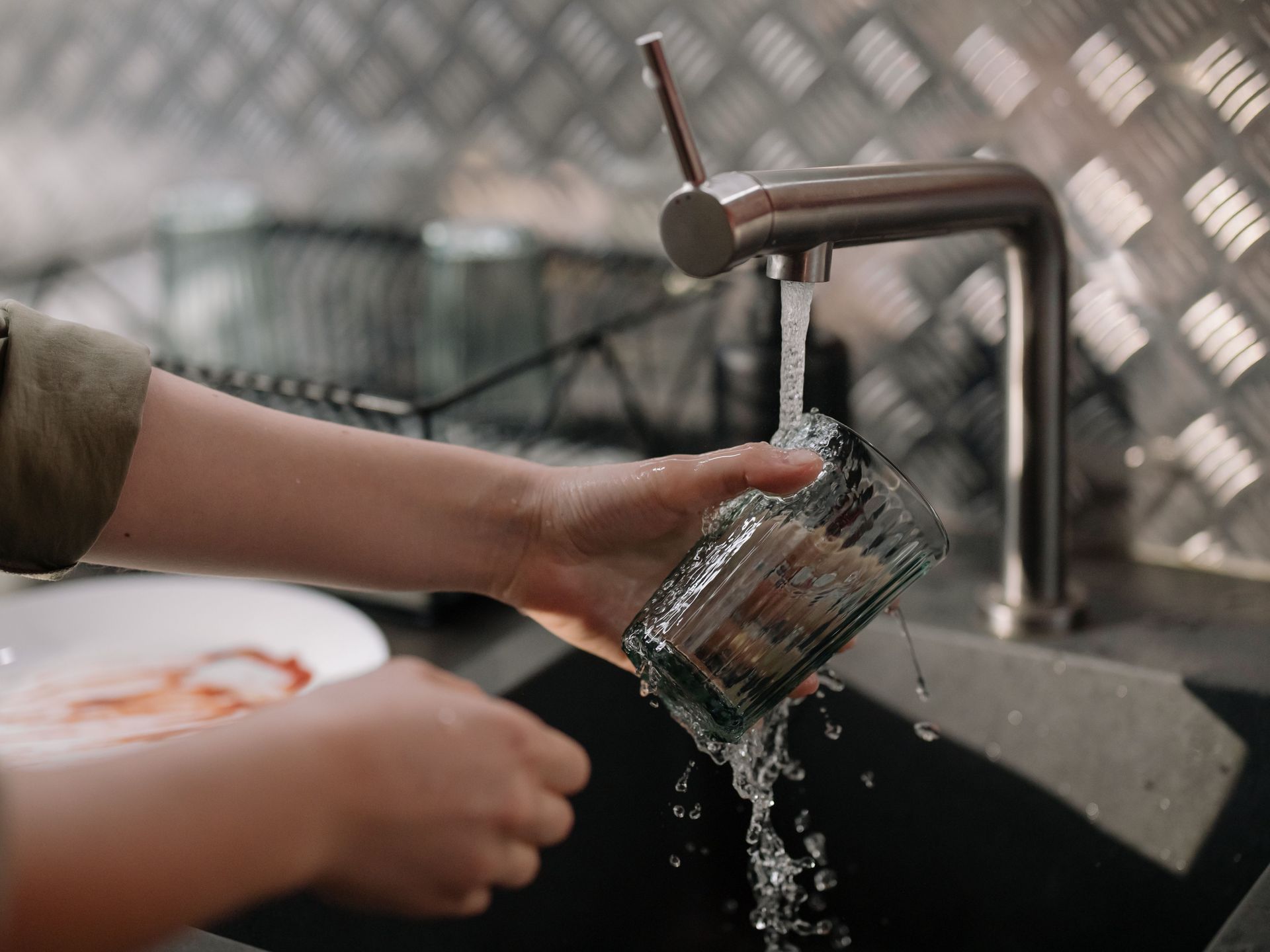
Sediment accumulation in water heaters, chlorine smell during showers, and rust staining on sinks often trace back to untreated water entering the home's main supply line. Neil Slattery Plumbing Heating and Cooling installs whole house water filtration systems at the point where municipal or well water first enters the plumbing, treating every gallon before it flows to bathrooms, kitchens, laundry rooms, and appliances. Homeowners in Farmingdale with older distribution pipes or wells pulling from shallow aquifers typically see the most visible reduction in sediment and taste issues after a properly sized system begins operation.
Whole house filters use cartridges or media tanks positioned on the main water line after the pressure regulator and before the water heater, capturing particles and chemicals as water flows through at household demand rates. The system must be sized to handle peak flow—when multiple fixtures run simultaneously—without causing a pressure drop that affects shower performance or appliance operation.
Arrange a household water assessment to identify which filtration media addresses your specific water quality concerns and flow requirements.
Why Water Quality Improves at Every Outlet
Once the whole house filter is installed on the incoming supply line, water passes through sediment screens or activated carbon media that trap particulates and absorb chlorine before the treated flow continues to branch lines throughout the property. Sediment filters capture rust particles from aging municipal mains or sand and silt from well water, preventing these materials from settling in water heater tanks or clogging aerators and valve cartridges.
Showers no longer produce chlorine vapor that irritates skin and respiratory passages, and laundry emerges without the chemical smell that clings to fabrics washed in heavily treated water. Dishwashers and washing machines experience less mineral scaling on heating elements because sediment and particulate iron are removed before water is heated, and faucet aerators stay clear longer without the buildup that reduces flow and causes uneven spray patterns.
Filtration cartridges require replacement every three to six months depending on sediment load and daily water usage, while carbon media tanks can operate for several years before the media exhausts its absorption capacity. Monitoring water pressure with a gauge installed before and after the filter helps identify when cartridges are becoming restricted, and a sudden drop in pressure across the filter signals that replacement is overdue and flow is being compromised.

What Property Owners Want to Know
Homes in Farmingdale connected to municipal systems often see chlorine levels spike during warm months when treatment plants increase disinfectant concentrations to control bacterial growth in distribution lines, making whole house filtration particularly noticeable during summer.
- What does a whole house filter remove compared to a reverse osmosis system? Whole house filters capture sediment, rust, chlorine, and some organic compounds, but they do not remove dissolved solids like sodium, nitrates, or heavy metals that require the finer filtration of a reverse osmosis membrane installed at a single tap.
- How does the filter affect water pressure throughout the home? A properly sized whole house filter maintains household pressure within normal operating range, but undersized units or clogged cartridges create noticeable pressure loss that slows shower flow and extends appliance fill times until the restriction is corrected.
- Can whole house filters handle well water with high iron content? Sediment filters capture particulate iron that gives water a rust color, but dissolved ferrous iron requires an oxidizing filter or water softener to convert it into a form that can be trapped before it stains fixtures and laundry.
- Where is the filter installed in relation to other plumbing components? The filter mounts on the main supply line after the shutoff valve and pressure regulator but before the water heater, ensuring that all water is treated before heating while keeping the filter accessible for cartridge changes without shutting down the entire system.
- How often do filter cartridges need changing in typical residential use? Sediment cartridges handling municipal water generally last three to six months, while homes on wells with high particulate loads may need replacement every four to eight weeks depending on the concentration of sand, silt, and organic material in the aquifer.
Neil Slattery Plumbing Heating and Cooling sizes whole house filtration systems to match your property's peak flow demands and water quality characteristics, with installation completed to ensure leak-free operation and easy cartridge access for routine maintenance. Contact us to schedule a filtration system consultation and receive a detailed installation proposal.