
Sinks Installed Level and Leak-Free
Sink installation in Farmingdale for kitchen remodels, bathroom upgrades, and replacement of cracked or outdated fixtures
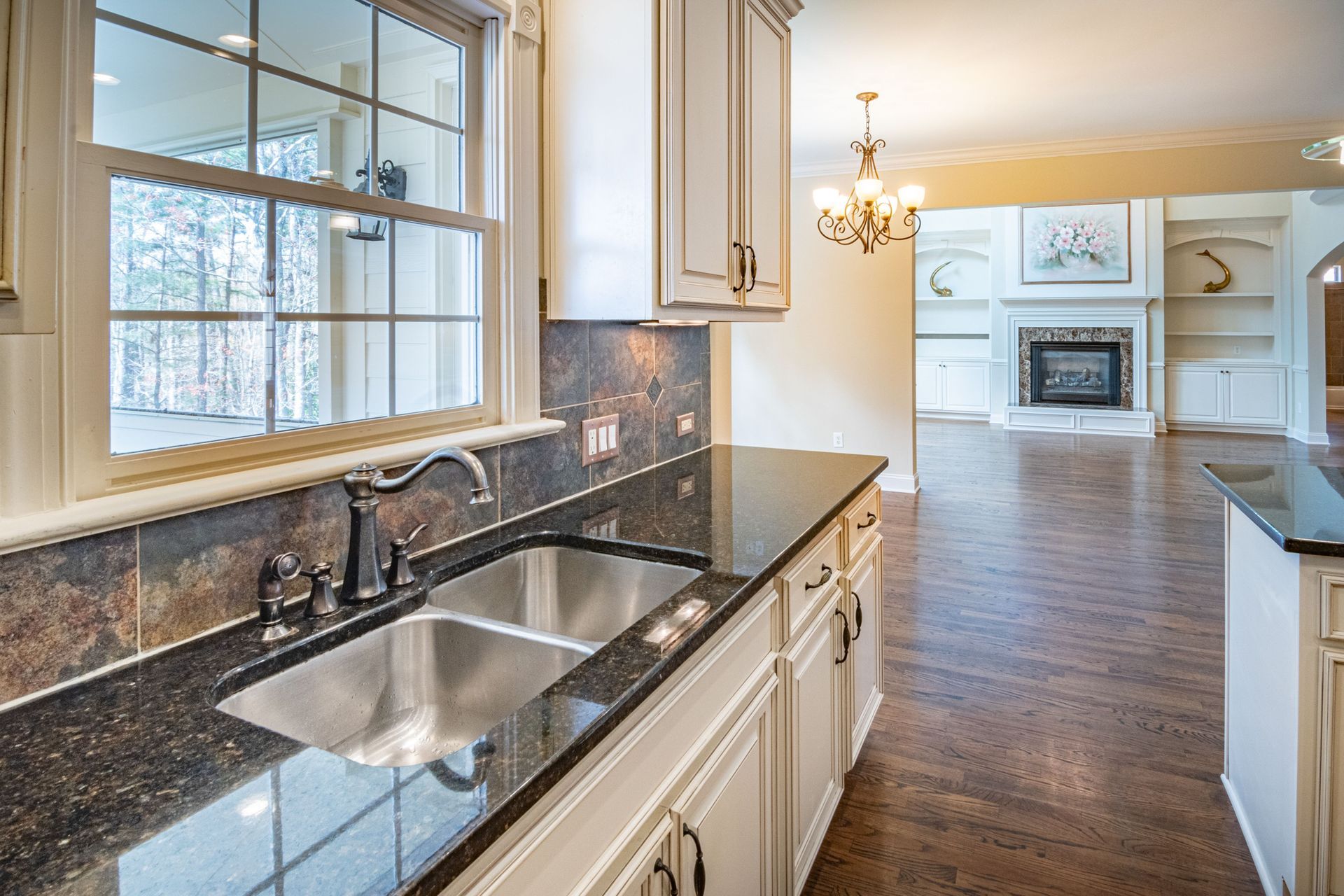
Installing a new kitchen sink requires cutting the countertop opening to match the sink template, positioning the fixture so it sits level front-to-back and side-to-side, and sealing all edges to prevent water from seeping beneath the rim. Neil Slattery Plumbing Heating and Cooling mounts undermount sinks with epoxy and support brackets that hold the fixture tight against the countertop underside, while drop-in sinks rely on rim clips and a continuous bead of silicone to secure them in place. Farmhouse sinks demand additional cabinet modifications since the front apron extends beyond standard base cabinets and requires support blocking to prevent sagging over time.
Sink installation includes connecting the drain tailpiece to the trap assembly, attaching supply lines to the faucet shanks, and testing all connections for leaks under full water pressure. Undermount installations work best with solid-surface or stone countertops that provide adequate edge strength, while laminate countertops typically require drop-in sinks because the exposed particle board core cannot support undermount weight. Pedestal sinks in bathrooms hide supply and drain lines inside the pedestal base, but the sink itself mounts to the wall with lag bolts anchored into blocking behind the drywall.
Arrange an on-site consultation to confirm the sink style fits your existing plumbing configuration and countertop material.
What You Notice Once Installation Is Finished
Proper sink installation ensures the basin drains completely without standing water in low spots, the mounting remains rigid when you press down on the edges, and no moisture appears beneath the sink after several days of use. Drop-in sinks installed correctly sit flush with the countertop surface without gaps that collect food debris, while undermount models create a seamless edge that allows you to wipe countertop spills directly into the sink. Testing involves filling the basin to capacity, then releasing the water and inspecting the drain connections for drips or slow leaks that indicate improper gasket seating.
Neil Slattery Plumbing Heating and Cooling coordinates sink installation with faucet and drain fitting installation to ensure all components align properly and function together. Vessel sinks in bathrooms require faucets with extended spout reach and drains without overflow openings, while laundry sinks need deeper basins and faucets with threaded spouts for hose attachments. Stainless steel sinks resist staining and impact damage better than porcelain or composite materials, though they show water spots more readily in areas with hard water.
Installation does not include countertop fabrication, cabinet modifications beyond minor adjustments, or faucet purchases. Bringing the new sink to the property before the installation date allows for test-fitting and identifying any clearance issues with existing plumbing or cabinet interiors. Granite and quartz countertops require professional cutting for sink openings, while laminate countertops can accommodate DIY cuts if templates are followed precisely.

Questions Before Starting Your Project
Homeowners planning sink replacements often need clarity on compatibility, installation requirements, and what preparation work the installation includes.
- What determines whether you can install an undermount or drop-in sink? The countertop material and thickness dictate which mounting style works. Stone, solid surface, and thick laminate countertops support undermount sinks, while standard laminate countertops require drop-in sinks because the cut edge cannot be sealed against moisture intrusion.
- How do you ensure a farmhouse sink fits the existing cabinet? The cabinet face frame must be cut back to accommodate the sink apron, and additional support blocking gets installed inside the cabinet to carry the sink's weight. Measuring the sink dimensions against the cabinet opening before ordering prevents discovering fit issues during installation.
- Why do some bathroom sinks require wall blocking? Pedestal and wall-mount sinks transfer their weight to the wall rather than sitting on a vanity, so lag bolts must anchor into solid wood blocking rather than just drywall. Installing blocking between wall studs during construction or adding it through access openings prevents the sink from tearing loose.
- What plumbing changes does sink installation include? Connecting the new drain assembly to the existing trap, attaching supply lines to the faucet or shut-off valves, and testing all connections for leaks are part of installation. Relocating supply or drain lines, replacing shut-off valves, or installing new traps costs extra since those changes extend beyond basic fixture installation.
- How long does a typical sink installation take in Farmingdale? Most kitchen sink replacements finish within three to four hours, including removing the old sink and connecting the new fixture. Undermount installations take longer due to epoxy curing time, while pedestal sink installations require additional time to locate studs and install wall blocking if none exists.
Neil Slattery Plumbing Heating and Cooling installs sinks that match your space and function requirements while ensuring all plumbing connections seal properly and meet code. Schedule an installation appointment to upgrade your kitchen or bathroom with a professionally mounted fixture that operates without leaks.