
Systems That Remove Hardness Before Buildup Starts
Water Softeners in Farmingdale for homes with mineral buildup on fixtures and reduced appliance efficiency
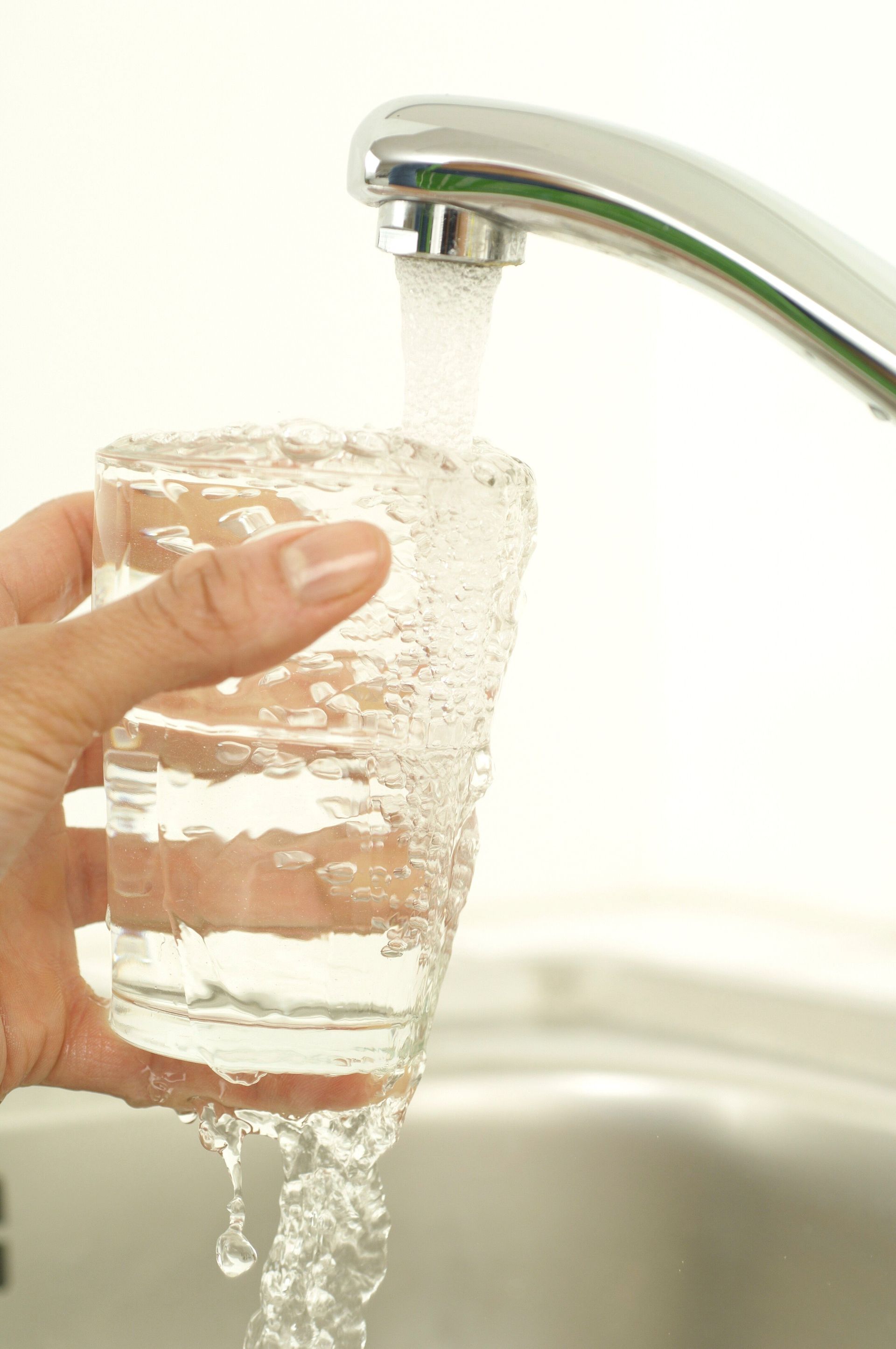
Hard water leaves white scale on faucets, reduces soap lather, and causes mineral deposits inside water heaters and appliances that shorten their lifespan. You notice hard water when glass shower doors develop cloudy film that will not wipe off, or when laundry feels stiff even after washing. Neil Slattery Plumbing Heating and Cooling installs and replaces water softener systems in Farmingdale to reduce calcium and magnesium levels in household water before those minerals precipitate out and form scale throughout the plumbing system.
Water softeners use ion exchange resin to replace hardness minerals with sodium or potassium, then regenerate the resin periodically by flushing it with brine solution. Installation involves connecting the softener to the main water supply after the pressure tank and before branch lines split off to individual fixtures, installing a bypass valve for maintenance access, and running a drain line to carry away backwash water during regeneration cycles. The system is sized based on water hardness test results and daily household water usage to provide sufficient capacity between regenerations.
Arrange a consultation to test your water hardness and determine whether a softener will address the specific issues affecting your plumbing fixtures and appliances.
What Proper Water Softener Installation Requires
Water softener installation begins with testing water hardness in grains per gallon to confirm that mineral levels are high enough to justify treatment, typically above seven grains per gallon. The softener is positioned on the main supply line with shutoff valves on both sides and a bypass valve that allows untreated water to flow during maintenance or if softened water is not needed temporarily. Drain lines must slope continuously downward to a floor drain or sump, and the system requires a dedicated electrical outlet for the timer and regeneration controls.
After installation and the first regeneration cycle, soap and detergent lather more easily in sinks and showers, and you use less product to achieve the same cleaning results. Dishes come out of the dishwasher without spots or film, and glassware stays clear after repeated washing. Faucets and showerheads no longer develop crusty white buildup, and the water heater operates more efficiently because scale does not insulate the heating element or coat the tank interior. Laundry feels softer and colors stay brighter because hard water minerals no longer bind to fabric fibers.
Softeners require periodic salt or potassium refills in the brine tank to maintain regeneration capacity, and resin beds eventually need replacement after years of use when ion exchange efficiency declines. Regular maintenance includes checking salt levels monthly and cleaning the brine tank annually to prevent salt bridging that blocks regeneration.

Common Questions About This Service
Water softener decisions involve understanding how hard water affects your home, what system size is appropriate, and how ongoing maintenance works. Homeowners in Howell Township typically ask about hardness levels, installation requirements, and operational costs before committing to a system.
- What water hardness level indicates that a softener is needed? Water hardness above seven grains per gallon typically causes noticeable scale buildup and justifies softener installation, while levels above ten grains per gallon create significant problems with fixtures and appliances. Hardness below seven grains often produces minimal issues and may not require treatment depending on homeowner preferences.
- How do water softeners prevent mineral buildup inside water heaters? Softened water prevents calcium and magnesium from precipitating out when heated, which eliminates the scale formation that coats heating elements and tank interiors. This maintains heating efficiency and prevents sediment accumulation at the tank bottom that reduces capacity and causes rumbling noises during heating cycles.
- When should an old water softener be replaced rather than repaired? Softeners with cracked resin tanks, failed control valves that cannot be sourced, or resin beds that no longer regenerate effectively are better replaced than repaired. Systems older than ten to fifteen years often lack parts availability and use more salt and water during regeneration than modern high-efficiency models.
- What ongoing maintenance do water softeners require after installation? Softeners need salt or potassium chloride added to the brine tank when levels drop below one-quarter full, typically every four to eight weeks depending on water usage and hardness. The brine tank should be cleaned annually to remove sediment and prevent salt bridging, and resin beds may need cleaning or replacement after prolonged use.
- How does water softening affect soap performance and cleaning throughout the home? Softened water requires significantly less soap, shampoo, and detergent because hard water minerals do not interfere with lathering or bind to surfactants. Most homeowners reduce soap use by one-third to one-half after softener installation, and cleaning products rinse away more completely without leaving residue on surfaces.
Neil Slattery Plumbing Heating and Cooling installs water softener systems sized to your household needs and water hardness levels. Call to schedule a water softener consultation and find out whether softened water will address the mineral problems affecting your home.