
Disposals That Clear Food Waste Reliably
Garbage disposal repair in Farmingdale for jammed units, leaking housings, and motors that hum without spinning
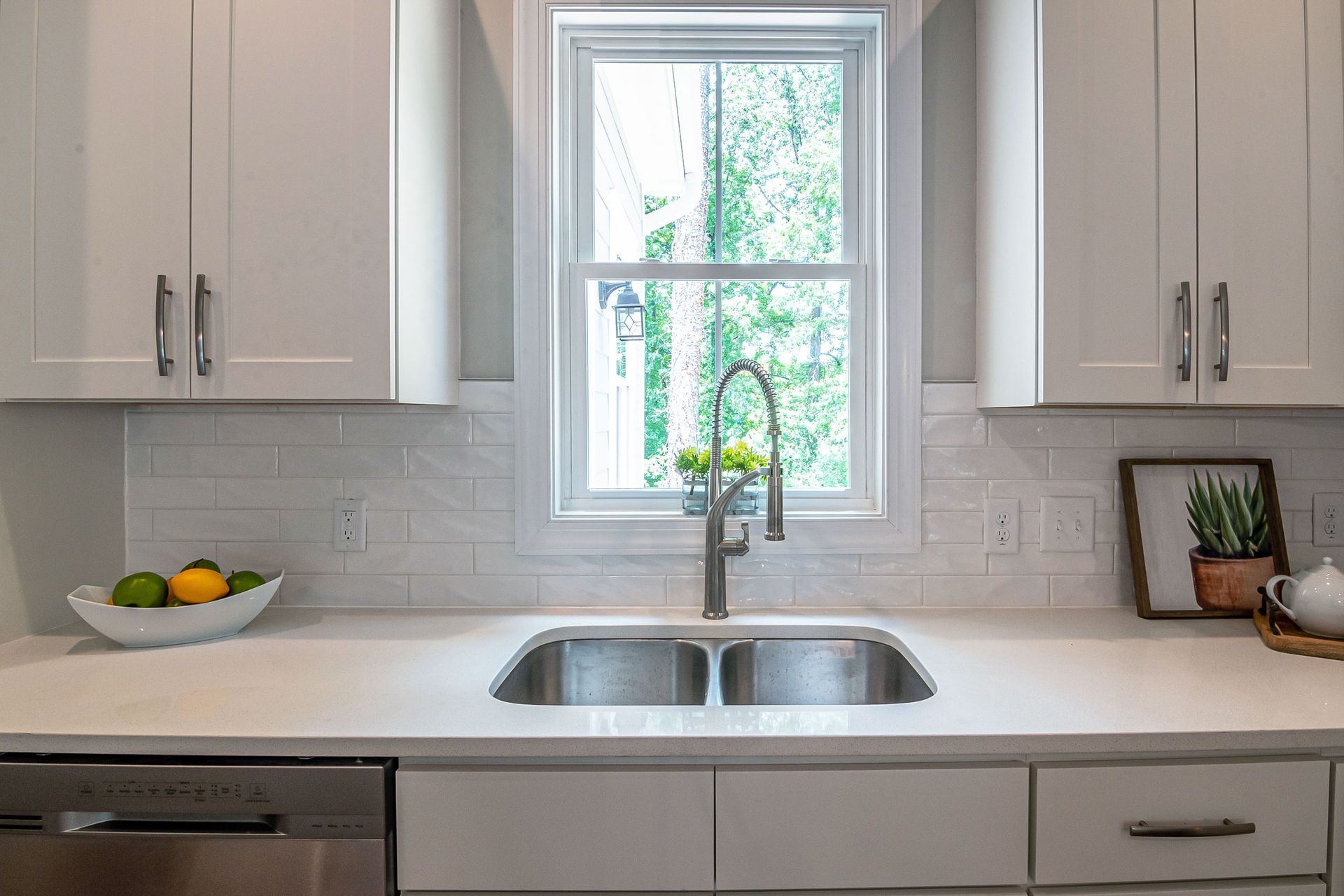
Metal utensils, fibrous vegetable scraps, and grease buildup jam garbage disposal grinding mechanisms, causing the motor to hum without turning the flywheel. Neil Slattery Plumbing Heating and Cooling diagnoses disposal failures by testing the reset button, inspecting the flywheel for obstructions, and checking electrical connections that may have tripped or loosened. A disposal that leaks from the sink flange or discharge pipe connection allows wastewater to drip into the cabinet below, damaging shelving and creating conditions for mold growth.
Garbage disposal repair involves freeing jammed flywheels with an Allen wrench inserted into the manual rotation socket on the unit's underside, clearing blockages from the grinding chamber, and tightening loose mounting hardware. Leaks at the sink flange require resealing the connection between the disposal and the drain opening, while discharge pipe leaks need new gaskets or properly aligned fittings. Howell Township homes built before the 1990s sometimes have disposal units that lack adequate horsepower for modern sink drains, which causes frequent clogs in the downstream plumbing.
Schedule a repair evaluation when the disposal stops grinding or begins leaking to prevent standing water in the sink and additional drain damage.
What Changes After Disposal Service Completes
Clearing a jammed disposal requires removing foreign objects lodged between the flywheel and the grinding ring, then manually rotating the flywheel to confirm it spins freely before restoring power. Resetting the thermal overload button on the unit's base restores function after the motor has shut down from overheating caused by a jam or prolonged operation. If the motor windings have burned out or the housing has cracked, replacement becomes necessary since these failures cannot be repaired economically.
After repair, you run water and activate the disposal to see food waste grinding and clearing through the drain without unusual noise, the unit operates without leaking beneath the sink, and the motor spins immediately when you flip the switch. Addressing leaks prevents water from rotting the cabinet floor and eliminates the musty odor that develops when moisture accumulates in enclosed spaces. Proper disposal function keeps the kitchen drain flowing freely and reduces the need for chemical drain cleaners that corrode pipes over time.
Disposal repair does not include fixing units with severely corroded housings, motors that fail repeatedly, or models more than 12 years old where replacement parts cost nearly as much as a new unit. Avoiding fibrous foods like celery and corn husks, running cold water during operation, and periodically grinding ice cubes help extend disposal life between service visits.

Common Questions About This Service
Homeowners dealing with disposal problems typically ask about what causes jams, how to prevent damage, and when repair no longer makes sense.
- What causes a garbage disposal to hum without grinding? The flywheel is jammed by a foreign object or hardened food waste, which prevents the motor from turning the grinding mechanism. Manually rotating the flywheel with the disposal turned off usually frees the obstruction and restores function.
- How do you clear a disposal that drains slowly? Food particles have accumulated in the grinding chamber or discharge pipe, restricting water flow. Flushing the disposal with cold water while running it for an extended period usually clears the buildup, though severe blockages may require disconnecting the discharge pipe to remove the obstruction.
- Why does water leak from the disposal flange? The plumber's putty or rubber gasket sealing the flange to the sink has dried out or compressed unevenly, creating gaps where water escapes. Resealing the flange connection stops the leak and prevents water from entering the cabinet.
- What items should never go in a garbage disposal? Grease, coffee grounds, eggshells, pasta, rice, fibrous vegetables, and bones damage the grinding mechanism or create clogs in the drain line. These materials either bind the flywheel, coat the grinding surfaces, or expand in the pipes and block water flow.
- How long do garbage disposals typically last in Farmingdale homes? Most disposals function reliably for 8 to 12 years with normal use and regular maintenance. Units that jam frequently, leak despite repairs, or show signs of internal corrosion usually require replacement rather than continued service.
Neil Slattery Plumbing Heating and Cooling restores disposal function by clearing jams and repairing leaks before they cause cabinet damage or drain backups. Set up a service appointment to address disposal problems or discuss replacement options for units that no longer operate dependably.