
Fixtures That Function Without Daily Frustration
Bathroom Plumbing Remodeling in Farmingdale for outdated fixtures causing leaks and low water pressure
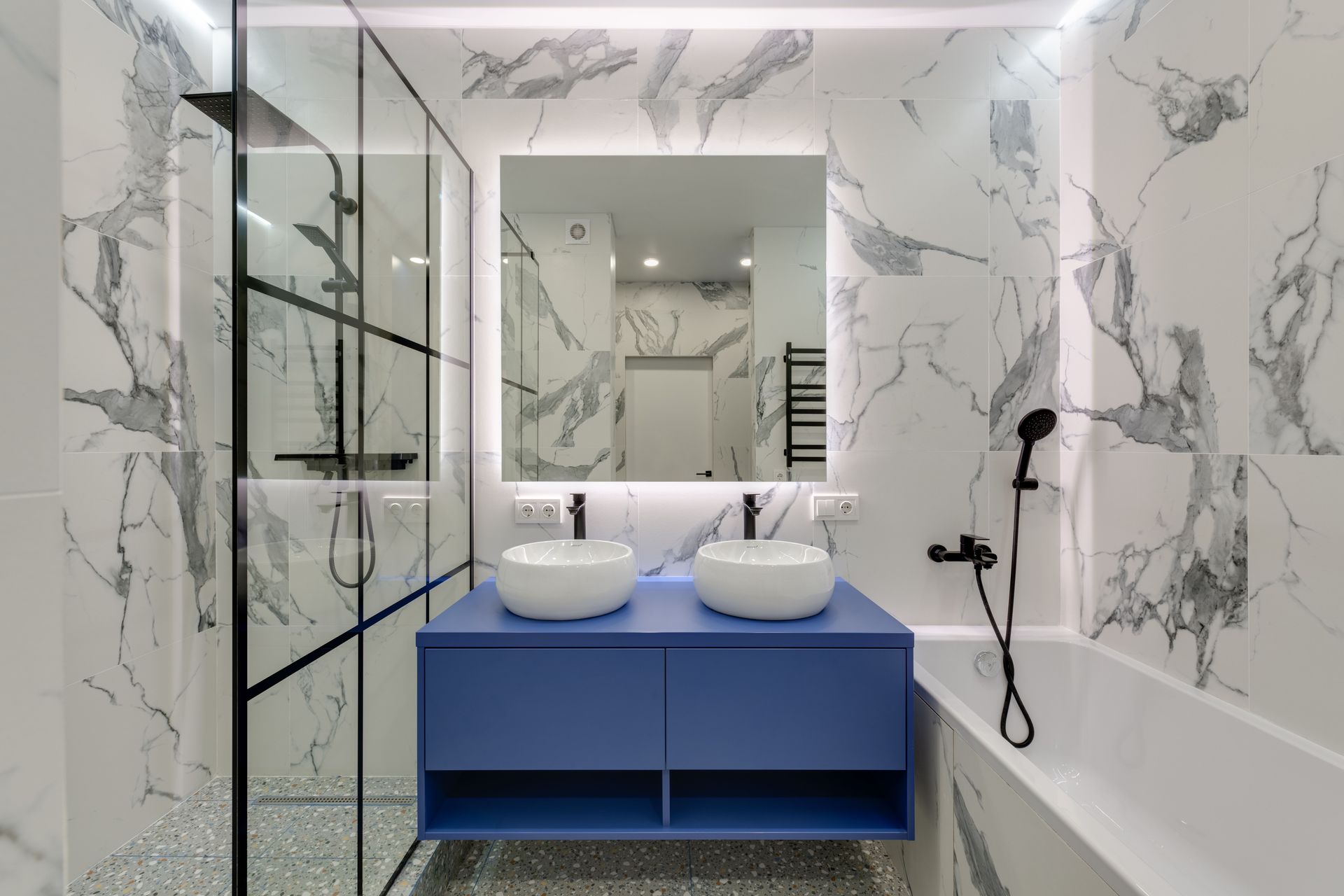
Neil Slattery Plumbing Heating and Cooling handles bathroom plumbing remodeling in Farmingdale and the surrounding Howell Township area when homeowners need to replace failing fixtures or reconfigure plumbing for a new layout. Older bathrooms often reveal corroded shut-off valves and supply lines that no longer seal properly once you start moving components around. The work involves installing new water supply lines, drains, shut-off valves, and all fixtures from toilets and sinks to showers and bathtubs, with every connection tested for leaks before the walls close up.
Bathroom remodeling requires relocating or modifying existing plumbing lines when you change the position of the toilet, move the vanity to a different wall, or add a separate shower where a tub once stood. New Jersey plumbing code governs drain slope requirements, vent sizing, and fixture spacing, which determines what layouts will actually function without backups or slow drainage. Water-efficient fixtures reduce consumption without sacrificing performance, and modern mixing valves prevent sudden temperature spikes that older single-handle systems could not control.
Schedule a bathroom plumbing remodeling consultation to review your current fixture layout and code requirements before demolition begins.
What Proper Remodeling Plumbing Requires
Remodeling plumbing begins with shutting off water to the bathroom, removing old fixtures, and inspecting the condition of existing supply and drain lines behind the walls. Corroded galvanized pipes or cast iron drains often need replacement during a remodel because they will fail soon after new fixtures go in, and opening walls provides the only practical access. All new plumbing is sized according to fixture unit loads and installed with proper venting to prevent drain gurgling and slow flow.
After installation, you will notice faucets that deliver consistent water pressure, toilets that flush completely on the first attempt, and showers that hold temperature without fluctuation. Drains clear quickly without standing water in the sink or tub, and no moisture appears around the base of the toilet or under the vanity. Modern shut-off valves allow you to isolate individual fixtures for maintenance without cutting water to the entire house.
The work includes coordinating rough-in measurements with tile setters and cabinetry installers so that faucet holes align with countertops and shower valves sit at the correct finished wall depth. Proper installation prevents callbacks for leaks or misaligned trim, which require tearing out finished surfaces to correct.

Questions Before Starting Your Bathroom Project
Bathroom plumbing remodels involve decisions about fixture placement, water efficiency, and code compliance that affect the finished result. Homeowners in Farmingdale typically ask about timing, materials, and what the installation process involves before construction begins.
- What happens if existing drain lines are not in the right location for the new layout? Drains are relocated by cutting into the floor or ceiling below, rerouting ABS or PVC piping to the new fixture position, and ensuring proper slope for drainage. The approach depends on whether you have a basement, crawl space, or slab foundation underneath the bathroom.
- How do you prevent leaks around new fixtures after installation? All supply connections use braided stainless steel lines or rigid copper with compression fittings, and every joint is tested under full pressure before walls are closed. Toilets are sealed with wax or rubber gaskets, and the flange is secured firmly to the floor so the fixture does not rock and break the seal over time.
- When should plumbing rough-in happen during a remodel timeline? Rough-in occurs after demolition and framing but before drywall, tile, or any finished surfaces go up. Inspections must pass before covering the plumbing, which typically takes place midway through the remodeling schedule.
- What fixtures work best for homes with older, lower water pressure? Faucets and showerheads designed for lower flow rates perform well even when pressure drops below 40 psi, and pressure-assist toilets flush effectively without requiring high tank pressure. A pressure test identifies whether the home needs a booster pump before selecting fixtures.
- How long does bathroom plumbing installation take during a remodel? Rough-in plumbing typically requires one to two days depending on the extent of line relocation, and final fixture installation takes another day once all finished surfaces are ready. Coordination with other trades affects the overall timeline more than the plumbing work itself.
Neil Slattery Plumbing Heating and Cooling coordinates plumbing installation with your remodeling timeline to keep the project moving without delays. Call to arrange a consultation and review your bathroom layout before rough-in begins.